During these unprecedented times, people have been
looking to build new routines that can improve their
overall health. Even with businesses slowly beginning
to open, so much is still unknown and out of our control. Consequently, it makes sense that many of us are
searching for ways to have productive routines while
we adapt to this new way of operating in our day to
day lives. While it is common to focus mainly on our
physical health, there is so much more to consider
regarding your mental health as well. To simplify, let’s
focus on just three categories of health that we can all
work on improving: eating habits, activity levels and
mental awareness.
Eating habits
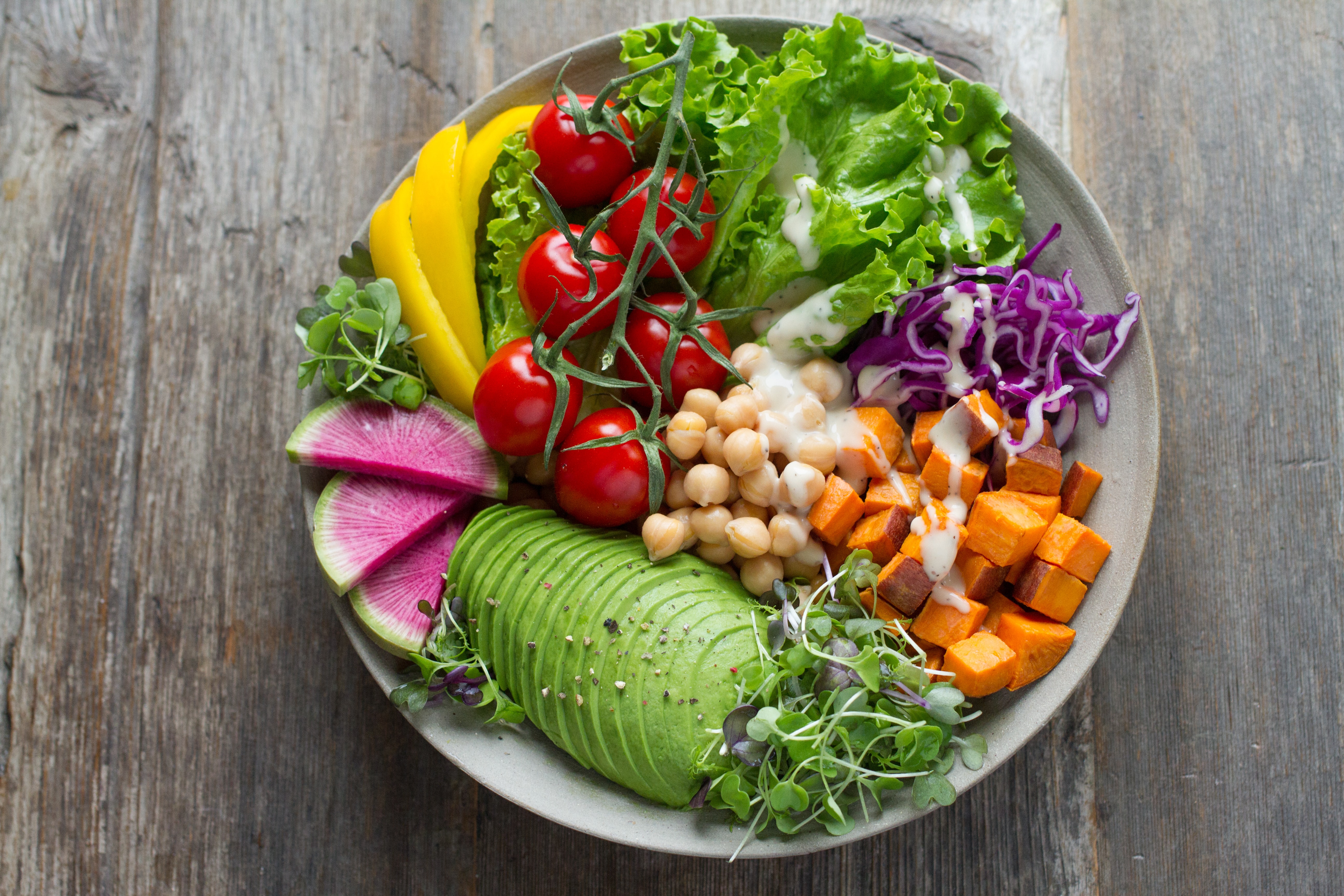
There is a dizzying amount of diet styles and fads that can either be effective or not all depending on your body type and metabolic rate. Instead of focusing on ‘only this’ and ‘none of that,’ take simple steps to improve your eating habits.
- A specified schedule can be beneficial to curb snacking and give you a structure to your day. One Australian food blogger, Leah Itsines, uses a regimen of three meals and two snacks but depending on your hunger levels and when you wake up and go to bed, this can be adjusted.
- Meal prep has certainly become a fad but outside all of the hype, it’s a very productive way to keep you from searching through the fridge and pantry for your next snack. Predetermined snacks and meals take the stress out of planning and help you control what you put into the meal instead of mindless eating or overloading your plate.
- Focus on balanced meals that include lean proteins, whole grains, and vegetables. This may sound like the foundation for boring meals, but there are many different ways to make each meal an adventure. Switching up the types of food you consume can make eating healthy fun instead of boring. Try to keep your plate as colorful as possible. Leah Itsines has a variety of recipes to help you feel like a master in the kitchen.
Activity levels

You don’t have to be lifting weights every day or training for a marathon to be considered ‘active.’ Instead of thinking of extremes, focus on the small day-to-day activities that you can incorporate easily.
- Take a walk with your family through your neighborhood or on the beach.
- Go for a bike ride with your family. There are plenty of great bike trails all around and through Panaga.
- Play a game with your children outside. A quick game of badminton, tag or duck-duck-goose can get the blood pumping while putting a smile on your face.
- Do an online fitness class or a HIIT workout from Pinterest with a friend. Plenty of fitness instructors are doing online classes that you can follow along with through Instagram Live videos such as Kayla Itsines, Chontel Duncan, or Kelsey Wells. Here is their website if you want to join the community through membership, or you can follow them on Instagram. Pinterest also has lists of quick 30-45 minute workouts that you can modify to fit you.
Whatever you choose to do, do it with someone else. Having someone with you makes the activity fun instead of it feeling like a chore plus you can hold each other accountable.
Mental Health
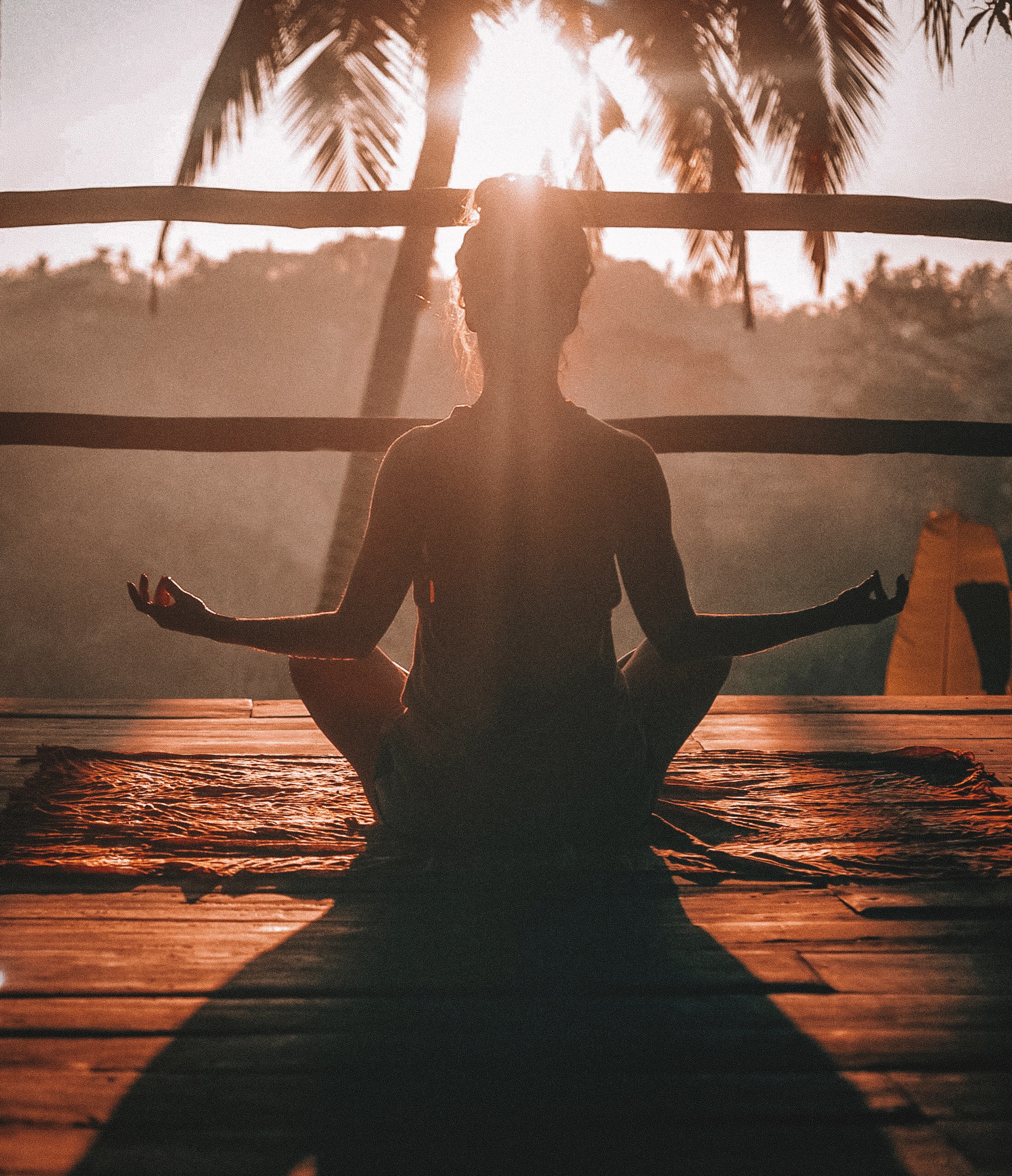
While things are slowly returning to normal, there is still a lot of change and uncertainty that comes with living in a post-Coronavirus world. It is important to take time to focus on the one health that you can’t see when you look in a mirror; your mental health. It is normal to feel anxious, overwhelmed, stressed, and even lost. Here are some tools that you can use to help ease your mental burden.
- Journaling: Writing down your thoughts on paper is a great way to dive deeper into what you may be anxious about while also getting things off your chest. It can be used to document your day, be a way to focus on what you are happy about, or a place to simply vent. Whatever you choose, it can be therapeutic and help you organize your thoughts and feelings.
- Meditate: Meditation doesn’t always mean sitting cross-legged and repeating “OHM” over and over. This can be sitting peacefully in silence for a few minutes on your porch or alone in your room. Or it could be just thinking about what you are grateful for or what makes you happy. Doing this daily either as a way to start or close out your day can help you feel centered even amidst the chaos.
- Talk with loved ones: This is an exercise that works as a two-way street. Check in with your friends, family members, and loved ones to see how they are holding up during these unprecedented times. In turn, this opens a pathway of communication for you to also get things off your chest or get a different perspective on some challenges you are facing.
The main thing to keep in mind is to check in with yourself. Whether it is daily, weekly, or even monthly, take a minute to see how you are feeling and make a plan of action to continue your progress and make further improvements. Take things at your own pace and never force things that you don’t feel are working for you. We will get through these times together and come out to the other side stronger than ever before.
 Savannah Jung